In 2022, for the first time, more Americans reported using cannabis daily or nearly daily than drinking alcohol that often. By 2024, about one in six U.S. adults reported using cannabis in the past month, up from about one in ten in 2020. This is an alarming trend, and the latest research gives us another reason to take a closer look at the harms.
God’s warning in 1 Peter 5:8 should be taken seriously: “Be sober-minded; be watchful.” The reason? “Your adversary the devil prowls around like a roaring lion, seeking someone to devour.”
Marijuana use can have physical, psychological, and spiritual consequences. Whatever reason a person has for using it, is it a reason to ignore God’s call to be sober-minded?
The Research
New research adds to earlier concerns about cannabis and cardiovascular health. Researchers analyzed telephone survey responses from nearly half a million U.S. adults in jurisdictions where cannabis-use data were available between 2020 and 2024. Participants reported their cannabis use and whether a health professional had ever told them they had coronary heart disease or had suffered a heart attack or stroke.
The Main Findings
Those who admitted using it 1 to 5 days per month had 23% higher odds of reporting cardiovascular issues compared to those who reported not using cannabis at all. Heavy cannabis users, those who used it 16 to 30 days per month, had 21% higher odds of reporting heart issues. Researchers were surprised to see that heavier use didn’t seem to matter.
“We expected that the chances of heart disease would gradually rise as people used cannabis more often, but that wasn’t the case. Both low-use and heavy-use groups had higher odds of developing heart disease,” said study author Aabha Divya, M.B.B.S., M.Ch., an assistant professor in the division of cardiothoracic surgery at the Tulane University School of Medicine.
“As cannabis use becomes more common, it is increasingly important that people and their healthcare professionals include it in conversations about cardiovascular health, just as they discuss tobacco, alcohol and other commonly used substances,” she added.
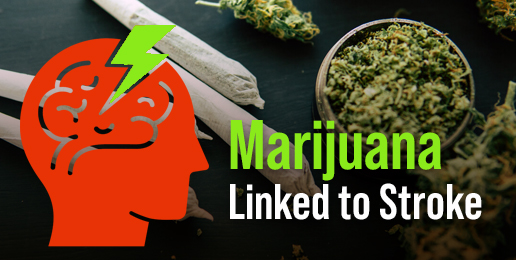
What the study also found is that cannabis use showed the strongest link to cardiovascular risk through its association with stroke.
The findings are scheduled for presentation at the American Heart Association’s Nov. 6–9 Scientific Sessions in Chicago. They are preliminary, and the survey establishes an association. Whether cannabis caused the reported health problems remains an open question. With use on the rise, it’s time for a reality check on the other risks.
Other Known Risk Factors
Cannabis use has been linked to psychosis, suicide, cognitive deficits in adolescents, respiratory and pulmonary complications, suppressed immunity, and cancer. The picture that emerges points to cannabis use as being far from harmless.
A Johns Hopkins study published in The American Journal of Psychiatry found that young people age 17 and under diagnosed with cannabis use disorder had higher risks of later psychiatric diagnoses than their peers diagnosed with other substance use disorders:
52% higher for schizophrenia
30% higher for recurrent major depression
21% higher for anxiety disorders
Not everyone that uses marijuana suffers from psychiatric disorders. But as you can see from the above stats, it’s a significant problem that should not be overlooked.
We have used Colorado statistics many times in the past because they are one of the few states that actually tracked data before and after marijuana legalization, which Colorado legalized for recreational use in 2013.
In 2016, the Colorado Department of Health data, as reported by the Rocky Mountain High Intensity Drug Trafficking Area, p. 145, revealed marijuana surpassed every other substance found in suicide toxicologies for ages 10-19.
In a January 2026 report by the Colorado Department of Health, a toxicology panel was reported on 438 of the 517 “non-natural, non-homicide” deaths under age 25. The 438 deaths were broken down as: accident – 337, suicide – 159, and undetermined – 21. THC was the most common substance present in the 438 cases with toxicology test results, followed by opioids and alcohol.
Shockingly, even very young children have been affected. A study in the Journal of Addiction Medicine found that reported cannabis exposures among children under six rose from 132 in 2009 to 8,430 in 2024. That is an astonishing 6,386% increase! And among children ages six to 12, reports rose from 21 to 2,894 over the same period. That is a jolting 13,781% increase!
At one point, only 3 years post-legalization in Colorado, marijuana was the number 1 problem in middle and high schools. While they report that use among teens has somewhat declined, it’s still a problem.
Another critical factor is the effect it has on the teen brain before the frontal lobe is fully developed. As many as eight IQ points can be permanently lost when teens use marijuana, with other studies confirming those findings.
Smoking marijuana can harm lung tissue, causing scarring and damage to small blood vessels. Marijuana use is suspected to have an adverse effect on the immune system. This can lead to cancer.
Marijuana also alters mood, perception, and the sense of time. I smell it almost daily while driving, and it makes me think about how much we depend on other drivers to be alert. Marijuana can slow reaction time and impair coordination and judgment, all of which matter behind the wheel. Marijuana-related car crashes cost the U.S. $13 billion annually. It was the second most common drug detected in crash-involved drivers (after alcohol) in 2021. It is a contributing factor in why auto insurance rates have increased significantly in recent years.
Certain cannabis-derived or cannabis-related compounds have legitimate medical uses. The FDA has approved specific prescription drugs for conditions such as certain seizure disorders or chemotherapy-related nausea. But the risks of recreational marijuana use, especially with high-potency products, deserve serious attention. So does God’s call to be sober-minded.