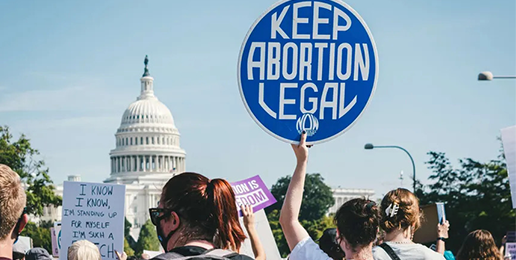
When the U.S. Supreme Court overturned Roe v. Wade in 2022, many Americans hoped the decision would lead to a meaningful reduction in abortion nationwide. That hope, however understandable, has not materialized. In fact, mounting evidence now shows that abortions have increased since Dobbs—a reality acknowledged by both pro-life and pro-abortion sources.
As Dr. Albert Mohler recently explained on The Briefing, the reason is not a shift in understanding moral truth, but a transformation in access and technology. Telehealth abortions and widespread availability of abortion pills have radically altered the abortion landscape. While some states have moved to protect preborn life through legislation, abortion providers have adapted quickly—mailing deadly abortion drugs across state lines and bypassing clinic-based restrictions altogether.
The result is a fractured but deeply interconnected system: so-called “pro-life” states on paper, yet functionally porous in practice.
But as troubling as these developments are, Dr. Mohler correctly identifies a far deeper problem—one that no court ruling can solve. The real crisis is not merely legal or political. It is moral and spiritual.

Dr. Mohler alludes to it in his outstanding monogouge, but I want to flesh it out plainly. Scripture teaches us:
The heart is more deceitful than all else
And is desperately sick; Who can understand it?
“I, the Lord, search the heart, I test the mind,
Even to give to each man according to his ways,
According to the results of his deeds.”
(Jeremiah 17:9–10; see also Proverbs 28:26)
That biblical diagnosis explains far more than any policy analysis ever could. The NASB (1995) renders verse 9 this way: “The heart is more deceitful than all else and is desperately sick.”
This is the core problem: Our sinful hearts.
The demand for abortion persists because of the human condition apart from God—fallen, self-justifying, and bent toward autonomy. This is why abortion advocates openly admit that women will “get abortions one way or another.” It is why euphemisms like “abortion care” are used to mask the reality of what is taking place: the deliberate destruction of innocent human life. Language is softened because consciences must be.
Even more sobering is the uncomfortable truth that many who publicly identify as “pro-life” may privately choose abortion when the cost becomes personal. This reveals just how deeply the culture of death has embedded itself in American life—including within families and churches.
Dr. Mohler is right: we underestimated the depth of the problem.
Legislative victories matter. Court decisions matter. Defunding abortion providers matters. But none of these can regenerate the human heart. No statute can overcome a will determined to extinguish inconvenient life.
That is why the task before Christians is not smaller after Dobbs—it is greater.
Our fallen human nature is in open rebellion to God, and there are those who are shaking their fists to heaven saying, “I will not comply with Your ways.” Again, Scripture teaches us:
For those who are according to the flesh set their minds on the things of the flesh, but those who are according to the Spirit, the things of the Spirit. For the mind set on the flesh is death, but the mind set on the Spirit is life and peace, 7because the mind set on the flesh is hostile toward God; for it does not subject itself to the law of God, for it is not even able to do so, and those who are in the flesh cannot please God. (Romans 8:5-8)
Yes, we must continue to advocate for laws that recognize the dignity and sanctity of every human life. But we must also confront the deeper heart and worldview issue with honesty and courage: a nation cannot legislate its way out of a moral collapse.
The ultimate battle for life is not fought only in courtrooms or capitols—it is a spiritual battle fought for hearts and minds. And hearts are changed through prayer and through the faithful preaching of the Gospel of Jesus Christ. Cultural revival will only follow repentance.
Until that reality is faced, the abortion crisis will persist—no matter what the law says.