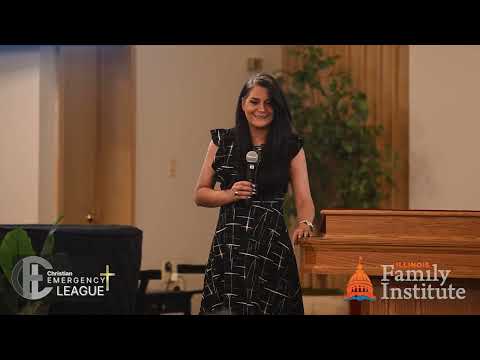
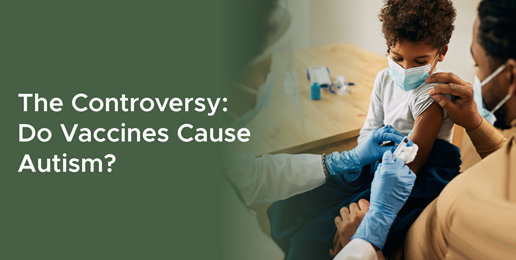
In a stunning reversal of long-standing public-health messaging, even federal agencies are beginning to acknowledge what was once dismissed as “misinformation.” As host Alex Newman explains, the Centers for Disease Control and Prevention (CDC) has quietly updated its language: it no longer claims that vaccines “do not” cause autism but now concedes that such certainty is not evidence-based and that studies suggesting possible links have been ignored by authorities. In today’s rapidly shifting landscape, this represents nothing short of a seismic change.
To explore these developments, Newman interviews Dr. Andrew Wakefield — the first physician to publish peer-reviewed research identifying a potential connection between childhood vaccines and autism. Once celebrated in medical circles, Wakefield’s career was dismantled after he challenged the vaccine orthodoxy. Yet after decades of professional punishment, censorship, and public scorn, he now sees long-awaited vindication as new voices within government and medicine reopen the very debate that was once forcibly shut down.

The conversation begins by highlighting a dramatic shift in official vaccine narratives. According to the host, CDC language now admits that studies have not ruled out a causal relationship between infant vaccines and autism — a stark departure from prior absolute denials. He also notes that the Department of Health and Human Services (HHS), led by Robert F. Kennedy Jr. in the current administration, has launched a comprehensive investigation into autism’s potential causes, including biological mechanisms and vaccine-related links.
Dr. Wakefield describes this moment as “extraordinary,” saying he never imagined federal institutions would publicly challenge long-protected assumptions. He cites a 30-year-old Federal Register document revealing that public-health leaders believed any doubts about vaccine safety “cannot be allowed to exist” if they threatened vaccine uptake — an approach he argues placed ideology above science. This mindset, he says, made open inquiry impossible and fueled decades of suppression.
Reflecting on his own journey, Wakefield affirms that his original findings remain accurate and unrecanted by any co-authors. He situates the backlash he received within a broader pattern that Americans now recognize as cancel culture — something that was not publicly understood when he first faced institutional retaliation. With more doctors losing their jobs for questioning COVID-era vaccine policy, the public is increasingly aware of how dissent has been handled.
Wakefield and Newman discuss the collapse in public trust; CDC data show parents delaying or refusing childhood vaccines at record levels. Wakefield attributes this to widespread personal experience, COVID-era revelations, and the inability of authorities to maintain the “safe and effective” narrative as adverse-reaction reports mount.
The interview also touches on Wakefield’s contributions to a new book, Humanizing Science and Medicine, which critiques how scientific consensus was weaponized to silence legitimate questions. He argues that consensus is “the death of science,” and that parents — not experts — have ultimately proven correct about rising autism rates.
Later, they discuss a new documentary, Inconvenient Study, which allegedly involved a suppressed vaccinated-versus-unvaccinated comparison with troubling results. Wakefield warns that pharmaceutical companies and their allies will fight to protect an enormous global market, especially as they pivot toward mRNA-based childhood vaccines — a development he believes should alarm the public.
Yet he remains optimistic: “the market will prevail,” he says, because consumers no longer trust institutions demanding injections contrary to emerging evidence.
The interview concludes with Wakefield’s announcement of a new film project, The Bequest, which focuses on families caring for vaccine-injured children and the long-term fears parents face about who will care for their children after they are gone. He urges listeners to connect through the Wakefield Media Group website if they wish to support the project.