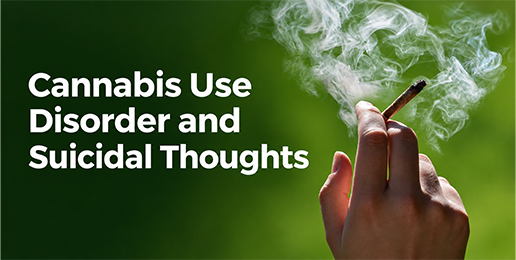
Cannabis Use Disorder is the clinical diagnosis for a pattern of marijuana use that causes significant problems or distress. A diagnosis requires meeting at least two of 11 criteria within a year. Those can include trying and failing to cut back, repeatedly neglecting responsibilities at work or school, continuing to use despite problems in relationships, or needing more marijuana to get the same effect.
For decades now, we’ve been told that marijuana is a harmless way to take the edge off after a long day. How often do we hear what happens when someone decides to quit and finds he can’t?
Researchers analyzed survey responses from more than 415,000 U.S. adults between 2014 and 2023. Adults with cannabis use disorder had 57% higher odds of reporting serious thoughts of suicide in the previous year than adults without the disorder. The link held steady across the decade. The study leaves open what explains that link.
These findings precede the unfortunate announcement that Illinois officials have issued 148 new “medical” marijuana dispensary licenses* since September 10. Those licenses allow existing “recreational” marijuana dispensaries to serve registered medical cannabis patients, bringing the number of locations that can do so to 220 statewide. It is also interesting to note that the list of medical conditions that qualify aperson for “medical” marijuana use has expanded in Illinois from 40 qualifying conditions in 2013 to 58 as of this year.
It grieves us to see Illinois make it easier to buy high-potency marijuana when so many families already know what it’s like to watch someone they love struggle to quit. We hear plenty about tax revenue and expanding access. When will our state officials own their role in making marijuana more widely available and take seriously the toll addiction takes on families? When will they give the same attention to people who need help breaking free of addiction?
If you know someone who is struggling, encourage them to get help and offer to pray with them. If they tell you they’re thinking about suicide, take them seriously and help them get professional support right away. Scripture tells us to “bear one another’s burdens” (Galatians 6:2). Sometimes that means sitting with someone while they make the call.
*The main benefit of holding a Medical Cannabis Dispensing Organization License in Illinois is that it allows a dispensary to sell cannabis to registered medical patients at the medical tax rate — just a 1% pharmaceutical sales tax — instead of the adult-use rate, which includes a 10–25% cannabis excise tax plus 6.25% state sales tax and local add-ons (totaling 25–41% combined in some areas). Just follow the money…